About Ganesh Bhairab Temple
EN
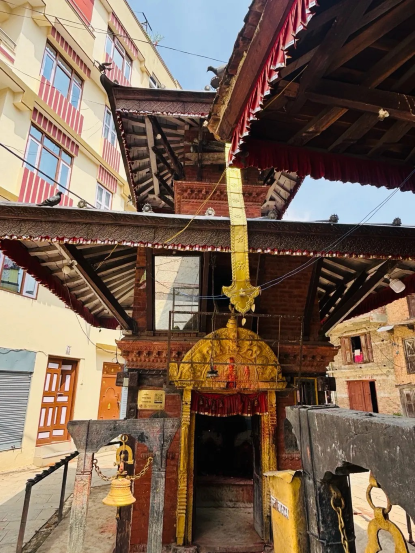
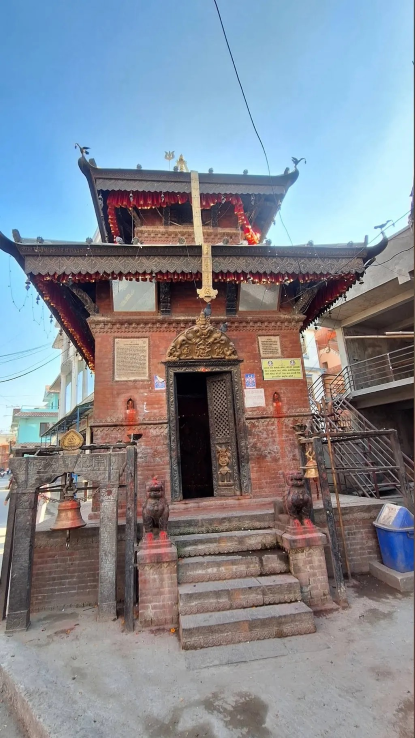
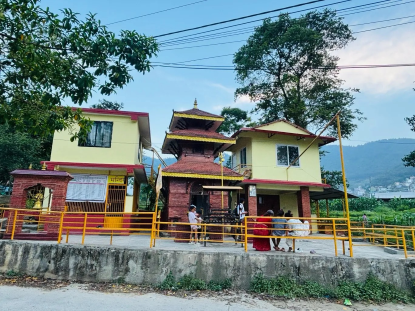
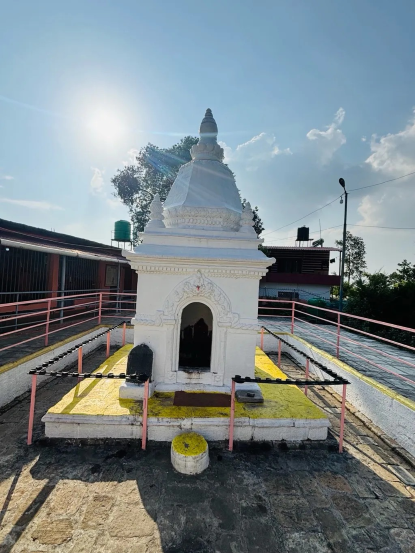
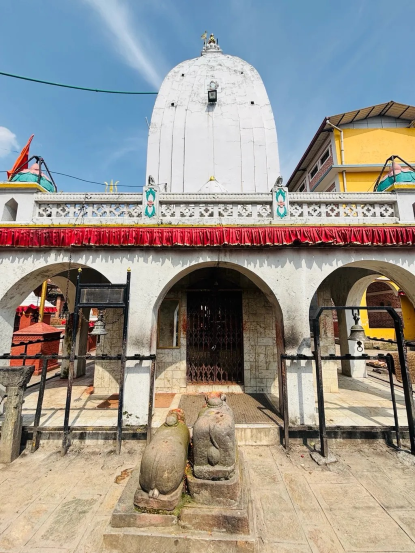
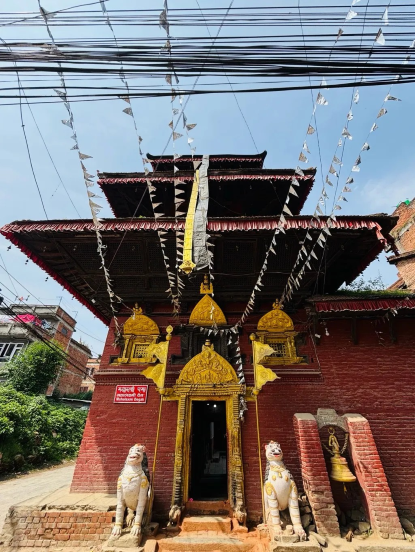
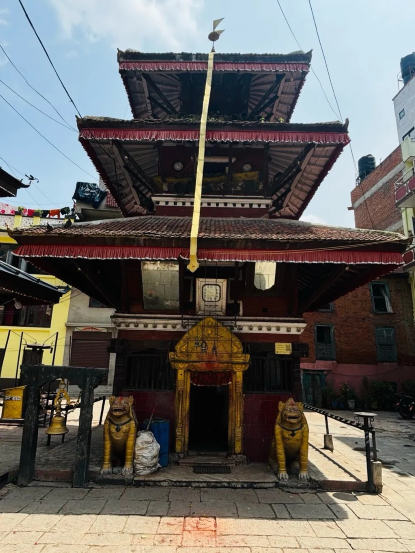
The Ganesh Bhairab Temple, prominently situated in the Devnani area of Ward No. 6, Siddhipur (traditionally and historically known as Thasi) within the Mahalaxmi Municipality of Lalitpur, stands as a vital and sacred socio-religious sanctuary that embodies the dual protective energy of Lord Ganesh, the remover of obstacles, and Lord Bhairab, the fierce manifestation of Lord Shiva. The deep-seated history of this temple is fundamentally tied to the agrarian identity of Siddhipur as an ancient Licchavi-era Newar settlement; according to local mythology, the collective worship of Ganesh and Bhairab together serves a defensive, spiritual purpose—acting as wrathful and benevolent sentinels designed to safeguard the borders of the Thasi community from natural calamities, plagues, and negative omens. Architecturally, the temple exhibits a striking display of classical Newari multi-tiered pagoda architecture, showcasing a two-tiered roof structure that slopes gracefully over thick, traditional red brick masonry walls, supported by diagonally leaning wooden struts intricately carved with depictions of guardian deities and celestial attendants. The roofs are capped with beautifully hammered brass sheet metal and adorned at the very top with an elegant brass pinnacle (gajur), while the temple’s exterior features exquisite wooden trellis windows (jhya) and a highly stylized tympanum (torana) hung above the main entrance to demarcate the transition into the divine sphere. Within the stone-paved inner sanctum, the temple houses highly revered, non-anthropomorphic or finely sculpted stone idols of Lord Ganesh and Lord Bhairab, which are daily anointed with vermilion paste, alongside ritual instruments like a sacred trishul (trident), heavy bronze bells, and historical ceremonial drums. While the precise historical founding year and individual royal architect remain lost to antiquity due to a reliance on oral folklore over written inscriptions, structural lineages point to extensive reconstructions by local community trusts (Guthis) and the Maharjan Newar clans during the late Malla and early Shah periods, with modern conservation efforts continually supported by the municipal heritage department. Today, the Ganesh Bhairab Temple functions as a major cultural anchor; during the annual Siddhipur Jatra (celebrated in mid-April around the Newar New Year), the temple serves as the absolute epicenter of religious life when the main deities are ceremonially placed on wooden chariots alongside traditional Dhaa: Baja musical performances and collective processions, solidifying its status as an invaluable living treasure of communal solidarity, Newari identity, and timeless religious craftsmanship.